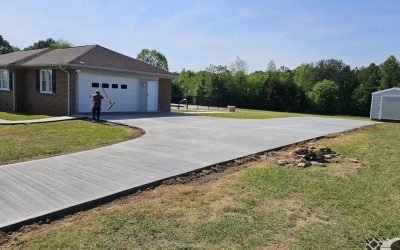

Concrete driveways are built for durability, but like any exterior surface, they perform best when properly maintained. In Greenville, SC, driveways face constant exposure to rain, heat, soil movement, and everyday vehicle use. Without basic maintenance, small issues can gradually develop into larger problems that affect both appearance and structural integrity.
This guide explains how homeowners can maintain a concrete driveway effectively. We’ll cover cleaning practices, sealing recommendations, common signs of wear, and realistic expectations for lifespan and repair needs. If you are planning a new driveway or replacing an existing one, it is also helpful to review Everything You Need to Know About Concrete Driveway Installation in Greenville, SC, which explains the installation steps that support long-term performance.
By understanding how concrete behaves over time and what maintenance actually involves, homeowners can protect their investment and keep their driveway looking consistent for decades.
Why Concrete Driveway Maintenance Matters
Concrete is known for strength and longevity, but it is still exposed to environmental stress. Greenville’s climate includes warm summers, steady rainfall, and seasonal temperature shifts. These conditions can gradually affect the surface if preventative care is ignored.
Maintenance helps prevent common issues such as:
- Surface discoloration from dirt, oil, and organic debris
- Moisture penetration that leads to cracking
- Gradual surface wear from vehicle traffic
- Minor cracks expanding into larger structural problems
Routine maintenance does not require extensive work, but it does require consistency. Addressing small issues early helps avoid expensive repairs later.
Understanding How Concrete Changes Over Time
Concrete does not remain static after installation. It continues to cure and strengthen for weeks, and it naturally expands and contracts with temperature changes.
During the life of a driveway, homeowners may notice:
- Minor hairline cracks
- Slight color variations
- Surface wear in high-traffic areas
These changes are normal and do not always indicate a structural problem. Control joints and reinforcement help manage these natural movements. Proper maintenance keeps these changes from affecting performance.
For homeowners comparing driveway materials, our Concrete Driveway vs Asphalt in Greenville, SC guide explains how concrete aging differs from asphalt wear.
Routine Cleaning for Concrete Driveways
Cleaning is the simplest form of maintenance and often the most overlooked. Dirt, leaves, and organic material hold moisture against the surface and can cause staining over time.
Basic Cleaning Schedule
Most concrete driveways benefit from cleaning two to four times per year. Homes located near trees may require more frequent attention due to falling debris.
Routine cleaning usually involves:
- Sweeping away loose dirt and debris
- Rinsing the surface with water
- Using a mild detergent for stubborn spots
- Light pressure washing when necessary
Heavy pressure washing should be used carefully to avoid damaging the surface texture.
Removing Common Stains
Certain stains are more common on residential driveways:
Oil stains from parked vehicles can penetrate porous concrete. Applying a degreasing cleaner and scrubbing with a stiff brush often removes most of the residue.
Rust stains from metal objects or irrigation systems may require specialty cleaners designed for concrete surfaces.
Organic stains from leaves or mulch typically respond well to mild detergent and water.
Regular cleaning prevents these stains from becoming permanent.
Sealing a Concrete Driveway
Sealing is one of the most effective ways to protect concrete. Sealers create a protective barrier that reduces moisture penetration and surface staining.
When to Seal a Driveway
Most concrete driveways should be sealed every three to five years, depending on exposure conditions.
Driveways exposed to heavy rainfall, direct sunlight, or frequent vehicle traffic may benefit from more frequent sealing.
Sealing is especially important in Greenville because moisture infiltration can lead to cracking during temperature shifts.
Benefits of Concrete Sealing
A quality sealer helps:
- Reduce water absorption
- Protect against oil and chemical stains
- Improve resistance to surface wear
- Maintain a consistent appearance
Sealing also makes routine cleaning easier because contaminants are less likely to penetrate the surface.
Identifying Early Signs of Concrete Damage
Early detection allows homeowners to address problems before they worsen. Regular visual inspection is an important part of maintenance.
Watch for the following signs:
Surface Cracks
Small hairline cracks are common and often cosmetic. However, widening cracks may indicate movement beneath the slab.
Sealing small cracks prevents water from entering and expanding the damage.
Surface Scaling
Scaling appears as thin flakes or chips on the concrete surface. It may result from moisture exposure or freeze-thaw cycles.
Sealing and proper drainage reduce the likelihood of scaling.
Uneven Areas
If sections of the driveway begin to sink or tilt, the underlying base may be shifting. This type of issue should be evaluated by a professional contractor.
Addressing base movement early prevents larger structural repairs.
Preventing Cracks in Concrete Driveways
While some cracking is inevitable, several factors influence how severe cracks become.
Proper Drainage
Water should flow away from the driveway and not collect along edges or joints. Standing water increases the likelihood of cracking during temperature changes.
Driveways should be designed with a slight slope to direct runoff.
Weight Distribution
Parking extremely heavy vehicles in the same location repeatedly can increase stress on the slab. Spreading vehicle weight across different areas helps reduce pressure points.
Seasonal Temperature Changes
Concrete expands and contracts with temperature changes. Control joints are designed to guide cracking into specific locations.
Maintaining these joints and keeping them clean prevents water infiltration.
Recommended Concrete Driveway Thickness
Concrete thickness affects durability and load capacity. Most residential driveways follow standard guidelines.

Proper thickness combined with reinforcement improves long-term performance.
Lifespan Expectations for Concrete Driveways
When installed properly and maintained regularly, concrete driveways typically last 25 to 40 years.
Several factors influence lifespan:
- Quality of base preparation
- Reinforcement placement
- Drainage design
- Maintenance consistency
The following table summarizes common lifespan expectations for driveway materials.

Concrete’s longer lifespan is one reason many homeowners choose it despite higher initial installation cost.
Seasonal Maintenance Tips for Greenville Homeowners
Concrete maintenance needs vary slightly throughout the year due to weather changes.
Spring
Spring is a good time to inspect the driveway for winter-related cracks or drainage issues. Cleaning and sealing projects are often scheduled during this season.
Summer
Warm temperatures help sealers cure properly. Summer is ideal for sealing or making small repairs.
Fall
Removing leaves and organic debris prevents staining and moisture buildup before winter.
Winter
Avoid using harsh de-icing chemicals. These chemicals can weaken the concrete surface and increase the likelihood of scaling.
Following a seasonal maintenance routine helps protect the driveway year-round.
Repair Options for Concrete Driveways
Even well-maintained driveways may require occasional repairs.
Crack Sealing
Small cracks can be sealed with flexible filler designed for concrete. This prevents water from entering the slab.
Surface Resurfacing
In some cases, resurfacing compounds can restore worn surfaces. This option works best when structural integrity remains intact.
Section Replacement
If a section of concrete becomes severely damaged, contractors may remove and replace that portion of the slab rather than replacing the entire driveway.
The appropriate repair method depends on the severity and location of the damage.
Planning Long-Term Maintenance Costs
Maintenance costs for concrete driveways are generally predictable and relatively low compared to other materials.
Typical long-term maintenance includes:
- Periodic sealing every few years
- Occasional crack repair
- Routine cleaning
These costs are modest compared to full driveway replacement. For homeowners evaluating installation costs, our How Much Does a Concrete Driveway Cost in Greenville, SC guide provides detailed pricing information.
When Professional Inspection Is Recommended
Some driveway concerns should be evaluated by a professional contractor.
Professional inspection is recommended when:
- Cracks widen quickly
- Sections of the driveway begin sinking
- Drainage problems cause persistent water pooling
- Surface damage spreads across large areas
Early assessment allows contractors to identify underlying causes before they worsen.
Sampson Concrete Company regularly evaluates driveways across Greenville and surrounding communities. Proper evaluation ensures that repairs address root causes rather than temporary symptoms.
Final Thoughts
Concrete driveways are known for durability, but long-term performance still depends on proper care. Regular cleaning, periodic sealing, and early crack repair help prevent small issues from turning into larger problems.
In Greenville’s climate, moisture control and drainage play an important role in maintaining driveway integrity. Homeowners who follow a simple maintenance routine can expect their driveway to perform reliably for decades.
Understanding how concrete behaves over time also helps homeowners recognize when professional inspection is needed. With the right approach to maintenance, a concrete driveway remains a dependable and visually consistent feature of the property for many years.