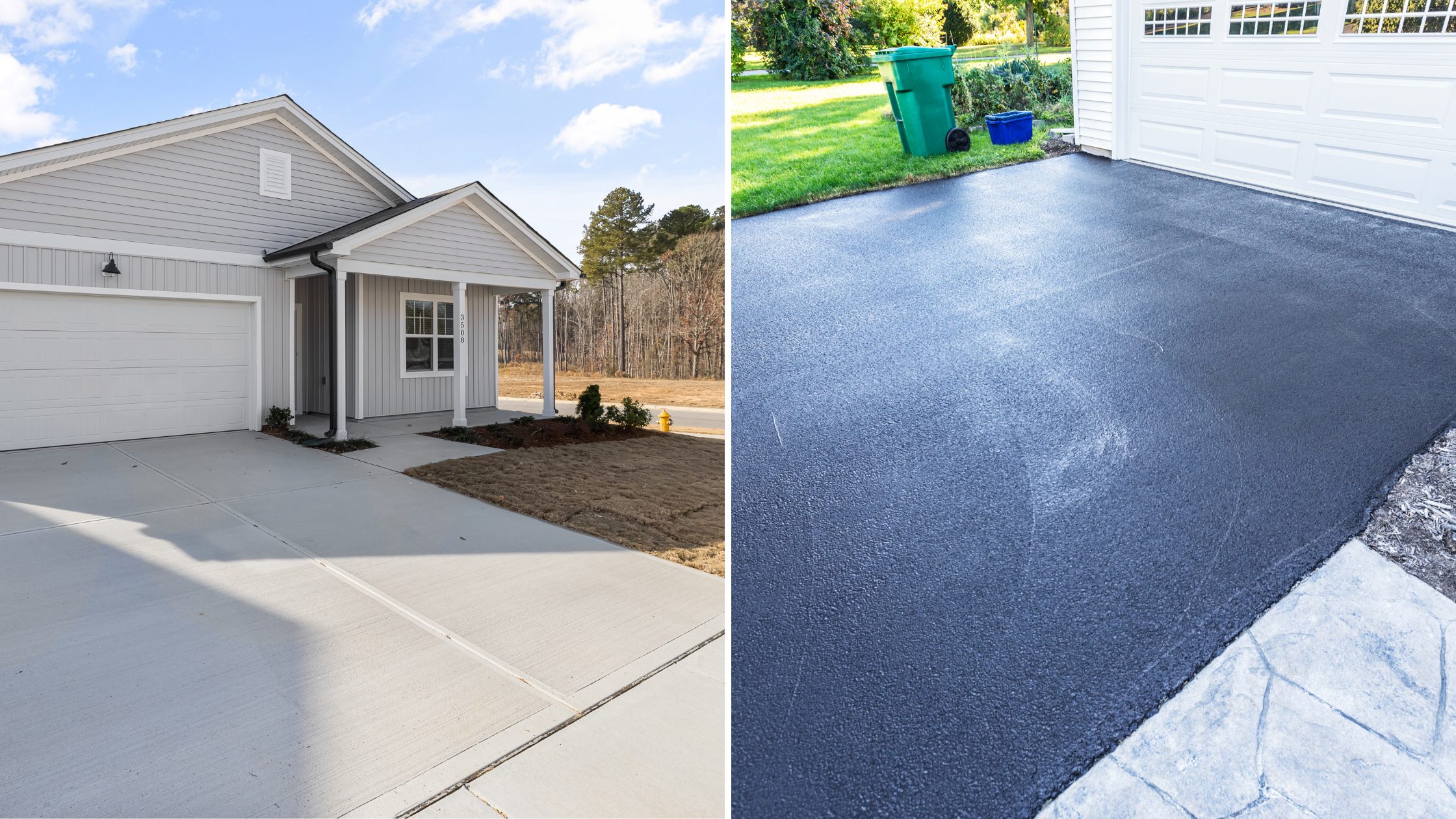
Choosing the right driveway material is one of the most important exterior decisions a homeowner can make. In Greenville, SC, the two most common options are concrete and asphalt. Both create a functional surface for daily vehicle use, but they differ in cost, lifespan, maintenance needs, durability, and long-term value.
If you are planning a new driveway or replacing an existing one, understanding these differences will help you make a confident decision. This guide compares concrete and asphalt based on real-world performance in Greenville’s climate. We’ll also explain cost expectations, maintenance responsibilities, and long-term investment considerations.
For a detailed look at how concrete is installed, you can also review our Everything You Need to Know About Concrete Driveway Installation in Greenville, SC guide.
Why Driveway Material Matters in Greenville
Greenville experiences hot summers, steady rainfall throughout the year, and occasional freezing temperatures. Soil composition varies across neighborhoods, and many properties include slopes that require careful drainage planning.
A driveway must:
- Support consistent vehicle weight
- Resist cracking from temperature shifts
- Manage water runoff effectively
- Maintain structural stability over time
Material selection directly affects how well the driveway performs under these conditions.
Installation Process Differences
Concrete Installation
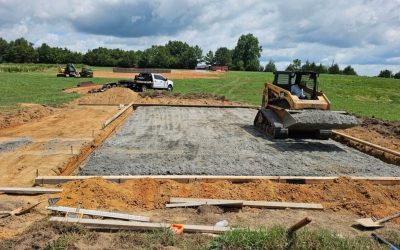
Concrete driveway installation involves a structured, multi-step process:
- Excavation and removal of existing materials
- Installation of a compacted gravel base
- Placement of reinforcement such as rebar or wire mesh
- Concrete pouring and finishing
- Cutting control joints
- Controlled curing over time
Concrete requires time to cure and gain strength. Proper base preparation and reinforcement are critical for long-term durability.
Asphalt Installation
Asphalt installation also begins with excavation and base preparation. Hot asphalt mix is then spread and compacted quickly.
The surface can typically be used sooner than concrete. However, base preparation remains just as important. Many driveway failures stem from inadequate subgrade preparation rather than surface material choice.
Cost Comparison in Greenville, SC (Premium 2026 Market Range)
Upfront pricing plays a major role in homeowner decisions. Below are higher-tier 2026 estimates that reflect professional installation, full site preparation, and proper reinforcement.
Average Cost per Square Foot
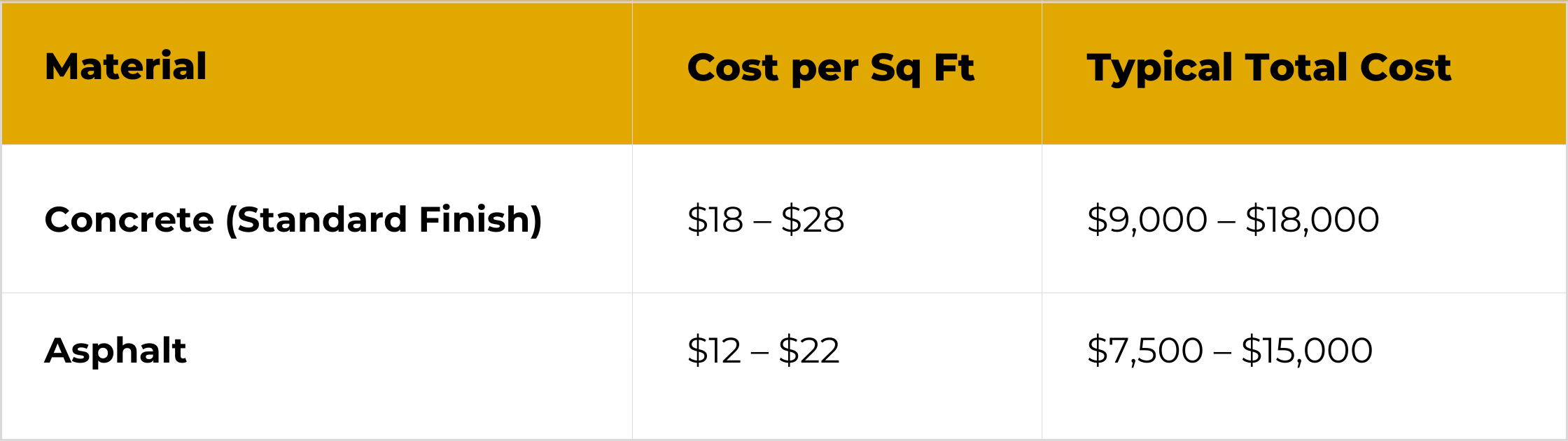
These ranges represent complete installations with proper grading, compaction, and finishing.
Asphalt often costs less initially. However, long-term performance and maintenance requirements influence overall value.
Lifespan Comparison
Concrete Lifespan
When installed correctly and maintained, a concrete driveway typically lasts 25 to 40 years. Reinforcement and proper drainage planning improve performance.
Concrete resists rutting and does not soften in Greenville’s summer heat.
Asphalt Lifespan
Asphalt driveways generally last 15 to 25 years. Over time, oxidation, surface cracking, and wear require resurfacing or sealing.
While asphalt may carry a lower initial price, its replacement cycle is usually shorter than concrete.
Maintenance Requirements
Concrete Maintenance
Concrete maintenance typically includes:
- Periodic sealing every few years
- Routine cleaning
- Monitoring and sealing minor cracks
Concrete does not require frequent resurfacing.
Asphalt Maintenance
Asphalt maintenance usually involves:
- Sealing every 2–3 years
- Crack filling
- Surface patching
- Potential resurfacing over time
While asphalt repairs may be easier in small areas, cumulative maintenance costs can add up over decades.
Performance in Greenville’s Climate
Concrete in Local Conditions
Concrete performs well in hot weather and remains structurally stable when installed with proper control joints and drainage.
Freeze-thaw cycles can affect concrete if water penetrates and expands. Proper sealing and slope design minimize this risk.
Asphalt in Local Conditions
Asphalt absorbs heat and can soften during extreme summer temperatures. Heavy vehicles may leave slight depressions in high heat.
Cold weather can make asphalt more brittle over time.
Both materials require correct installation practices to handle Greenville’s environmental conditions effectively.
Structural Strength and Load Capacity
Concrete can be reinforced to increase strength and crack control. Thickness adjustments allow support for heavier vehicles or wider driveways.
Asphalt strength depends heavily on base thickness and compaction. Under heavy loads, asphalt may develop surface depressions over time.
For properties with larger vehicles or consistent traffic, concrete may offer stronger long-term structural reliability.
Design and Appearance Options
Concrete offers greater flexibility in design.
Available concrete options include:
- Broom finish for traction
- Exposed aggregate for texture
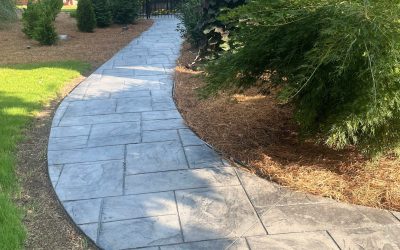
- Stamped finishes for decorative appeal
- Integral color for customization
These options allow homeowners to coordinate the driveway with landscaping and exterior finishes.
Asphalt is generally limited to a black surface that fades over time.
Long-Term Cost Considerations
Upfront cost does not represent total investment.
Concrete typically requires fewer maintenance cycles and has a longer lifespan. Asphalt may require more frequent sealing and earlier resurfacing.
Over 25 to 40 years, maintenance and replacement cycles often narrow or eliminate the initial cost gap between materials.
Repair and Replacement Differences
Concrete Repairs
Minor cracks can be sealed. In more serious cases, sections may require replacement. Proper installation reduces the likelihood of major structural issues.
Asphalt Repairs
Asphalt can be patched easily in small sections. However, visible patchwork may affect appearance. Resurfacing is often needed after years of wear.
Resale Value and Curb Appeal
Driveways contribute to overall curb appeal.
Concrete often maintains a cleaner, more consistent appearance over time. Decorative finishes enhance presentation and may improve perceived property value.
Asphalt is functional but offers limited aesthetic flexibility.
When Asphalt May Be the Right Choice
Asphalt may make sense when:
- Budget is the primary concern
- Short-term ownership is expected
- Installation speed is critical
For temporary solutions or lower upfront investment, asphalt can serve adequately.
When Concrete Is Often the Better Investment
Concrete may be the better option when:
- Long-term durability is important
- Lower maintenance frequency is preferred
- Appearance and customization matter
- Heavier vehicles are regularly parked
- Property value enhancement is a priority
If you plan to remain in your home long term, concrete often delivers stronger overall value.
Making the Right Decision for Your Property
Material choice should reflect:
- Your budget
- How long you plan to stay in the home
- Vehicle usage patterns
- Maintenance expectations
- Visual preferences
Sampson Concrete Company evaluates site conditions, soil stability, and drainage before recommending solutions. A professional evaluation ensures accurate pricing and long-term performance.
Final Thoughts
Concrete and asphalt both serve the same purpose, but they differ significantly in lifespan, maintenance requirements, and long-term value.
Asphalt typically has a lower upfront cost, while concrete offers greater durability, reduced maintenance frequency, and more design flexibility.
In Greenville’s climate, proper installation and base preparation matter more than material alone. Working with an experienced contractor ensures your driveway performs reliably under local conditions.
If you are weighing concrete vs asphalt for your Greenville property, understanding installation quality and long-term cost expectations will help you make an informed, confident decision.