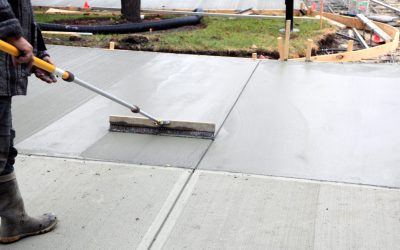

A concrete driveway is a long-term investment for any property. Homeowners often choose concrete because it provides strength, durability, and a clean appearance that can last for decades. However, many people still ask the same question before starting a project: how long does a concrete driveway actually last?
The answer depends on several factors. Proper installation, base preparation, reinforcement, weather exposure, and ongoing maintenance all affect how long a driveway performs without major repairs.
In Greenville, SC, a well-built concrete driveway can typically last 25 to 40 years. Some driveways last even longer when installation is done correctly and routine maintenance is performed consistently.
This guide explains what influences driveway lifespan, what homeowners can expect over time, and how to protect a concrete driveway so it performs reliably for decades.
Average Lifespan of a Concrete Driveway
Concrete is widely used for driveways because of its structural strength and long service life. When installed correctly, concrete can support repeated vehicle traffic while maintaining stability and appearance.
The following table summarizes common lifespan expectations for residential driveway materials.

Concrete typically lasts longer than asphalt because it resists heat, weight compression, and surface wear more effectively.
However, lifespan is not determined by material alone. Construction quality plays a major role in how long a driveway performs.
Homeowners who want to understand the full installation process can review Everything You Need to Know About Concrete Driveway Installation in Greenville, SC, which explains how preparation and reinforcement affect long-term durability.
What Determines the Lifespan of a Concrete Driveway?
Several key factors influence how long a driveway will last. These factors begin during construction and continue throughout the life of the driveway.
Base Preparation
The base beneath the concrete is one of the most important components of driveway performance.
A properly compacted gravel base provides structural support and distributes vehicle weight evenly across the slab. Without this support, concrete can shift, settle, or crack prematurely.
Driveways that fail early often have issues related to poor base preparation rather than the concrete itself.
Concrete Thickness
Concrete thickness affects the driveway’s ability to support weight and resist cracking.
Standard residential driveways are typically 4 inches thick, but thicker slabs may be recommended depending on vehicle load.

Thicker slabs provide additional strength and help reduce structural stress over time.
Reinforcement
Reinforcement improves structural stability and helps control cracking.
Rebar or wire mesh is often placed within the concrete slab to strengthen the structure. Reinforcement does not eliminate cracks entirely, but it helps keep them smaller and prevents major structural separation.
Proper reinforcement is one reason professionally installed driveways last significantly longer than DIY installations.
Drainage and Water Management
Water is one of the most common causes of driveway deterioration.
Driveways should be installed with a slight slope to direct water away from the surface and surrounding structures. Standing water increases the likelihood of cracking, erosion, and freeze-related damage.
Drainage planning is part of proper driveway design and installation.
Greenville Climate and Its Impact on Driveways
Weather conditions play a role in driveway lifespan.
Greenville experiences warm summers, regular rainfall, and occasional freezing temperatures. These conditions can affect concrete if installation or maintenance is not handled properly.
Concrete expands and contracts slightly as temperatures change. Control joints are installed to guide this movement and prevent random cracking.
Moisture management is especially important in areas with seasonal rain patterns.
Common Signs of Aging in Concrete Driveways
Even well-installed concrete driveways will show gradual signs of aging. Most of these changes are normal and do not indicate structural failure.
Common signs include:
- Hairline cracks
- Surface discoloration
- Minor edge wear
- Slight surface texture changes
These changes often occur gradually over decades. Monitoring them helps homeowners determine when maintenance or repairs may be necessary.
Regular inspection helps prevent small issues from developing into larger structural problems.
Maintenance and Its Role in Driveway Longevity
Maintenance is one of the most important factors affecting driveway lifespan.
Concrete driveways require relatively little maintenance compared to other materials, but a few simple steps can extend their life significantly.
Homeowners should consider:
- Cleaning debris and organic buildup
- Sealing the driveway periodically
- Addressing small cracks early
- Preventing standing water near joints
Our Concrete Driveway Maintenance Guide for Greenville, SC Homeowners explains how routine care protects concrete surfaces and prevents long-term deterioration.
How Sealing Extends Concrete Lifespan
Sealing helps protect the surface from moisture infiltration and chemical exposure.
Most driveways benefit from sealing every three to five years, depending on weather exposure and traffic levels.
Benefits of sealing include:
- Reduced water penetration
- Protection from oil and chemical stains
- Improved surface durability
- Easier cleaning
While sealing is not mandatory, it can significantly extend the appearance and lifespan of a driveway.
How Vehicle Weight Affects Concrete Durability
Driveways are designed primarily for passenger vehicles. Heavier loads create additional stress on the slab.
Examples of heavier loads include:
- Large pickup trucks
- Commercial vans
- Recreational vehicles
- Construction equipment
Repeated heavy loads in the same location can accelerate cracking or surface wear.
For homeowners who regularly park heavier vehicles, thicker concrete slabs and additional reinforcement may be recommended.
Concrete Driveway Cost vs Lifespan
Initial installation cost often influences driveway decisions. However, lifespan should also be considered when evaluating long-term value.
Concrete driveways typically cost more upfront than asphalt but last longer and require less maintenance.

Because concrete lasts longer and requires fewer repairs, many homeowners find that it provides better long-term value.
For a detailed breakdown of pricing factors, see How Much Does a Concrete Driveway Cost in Greenville, SC.
Preventing Early Concrete Driveway Failure
Most early driveway failures are caused by installation mistakes rather than material limitations.
Common issues include:
- Poor soil preparation
- Insufficient gravel base
- Incorrect slab thickness
- Lack of reinforcement
- Improper drainage design
Working with experienced contractors helps ensure these factors are addressed before concrete is poured.
When Repairs May Be Needed
Even durable driveways may require occasional repairs during their lifespan.
Common repair situations include:
Crack Repair
Small cracks can be sealed with flexible fillers that prevent water infiltration.
Surface Resurfacing
Worn or stained surfaces can sometimes be resurfaced to restore appearance.
Section Replacement
In some cases, only a portion of the driveway needs replacement rather than the entire slab.
Professional evaluation helps determine the most effective repair solution.
When Replacement Becomes Necessary
Eventually, every driveway reaches a point where replacement becomes more practical than continued repair.
Signs that replacement may be needed include:
- Large structural cracks
- Significant slab movement
- Extensive surface deterioration
- Drainage problems that cannot be corrected with repairs
Most homeowners only face driveway replacement once or twice during the life of a property.
Choosing the Right Contractor for Long-Term Results
The lifespan of a driveway often reflects the quality of the installation.
Experienced contractors evaluate:
- Soil stability
- Drainage patterns
- Proper reinforcement placement
- Concrete mix selection
- Slab thickness requirements
Sampson Concrete Company works with homeowners throughout Greenville and surrounding areas to ensure driveway installations are designed for long-term durability.
Proper planning and installation help ensure the driveway performs reliably for decades.
Final Thoughts
Concrete driveways are designed for long-term performance. In Greenville, SC, a properly installed driveway can last 25 to 40 years with minimal maintenance.
Base preparation, slab thickness, reinforcement, and drainage design all influence how long the driveway performs. Routine maintenance such as sealing and cleaning helps extend its lifespan even further.
Understanding these factors allows homeowners to make informed decisions when planning driveway installation or evaluating an existing surface.
With proper construction and maintenance, a concrete driveway remains one of the most durable and reliable exterior surfaces for residential properties.